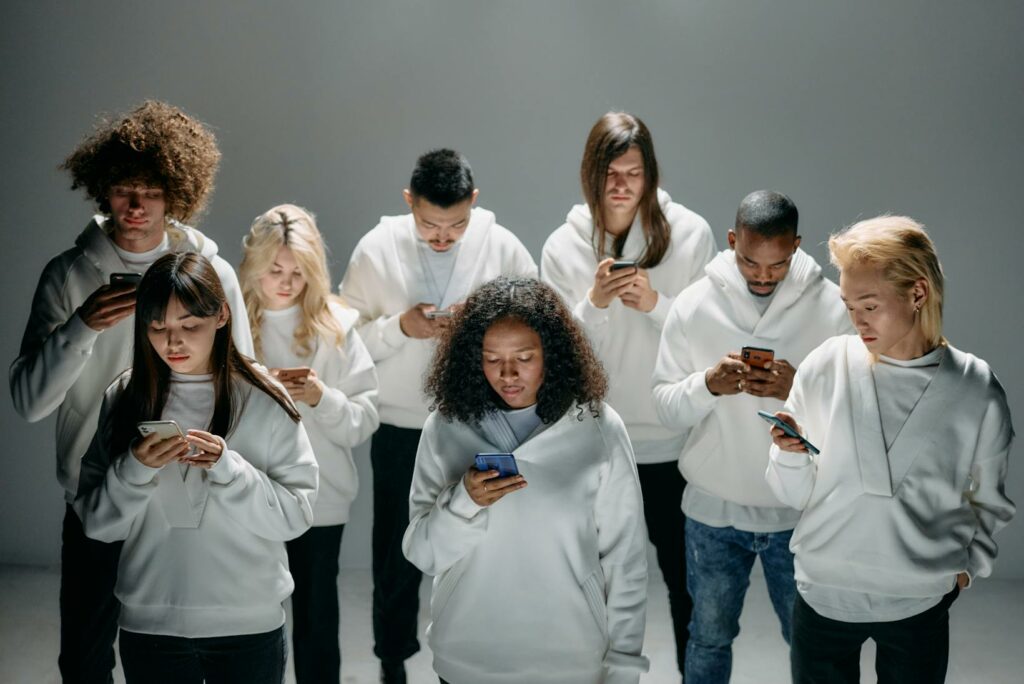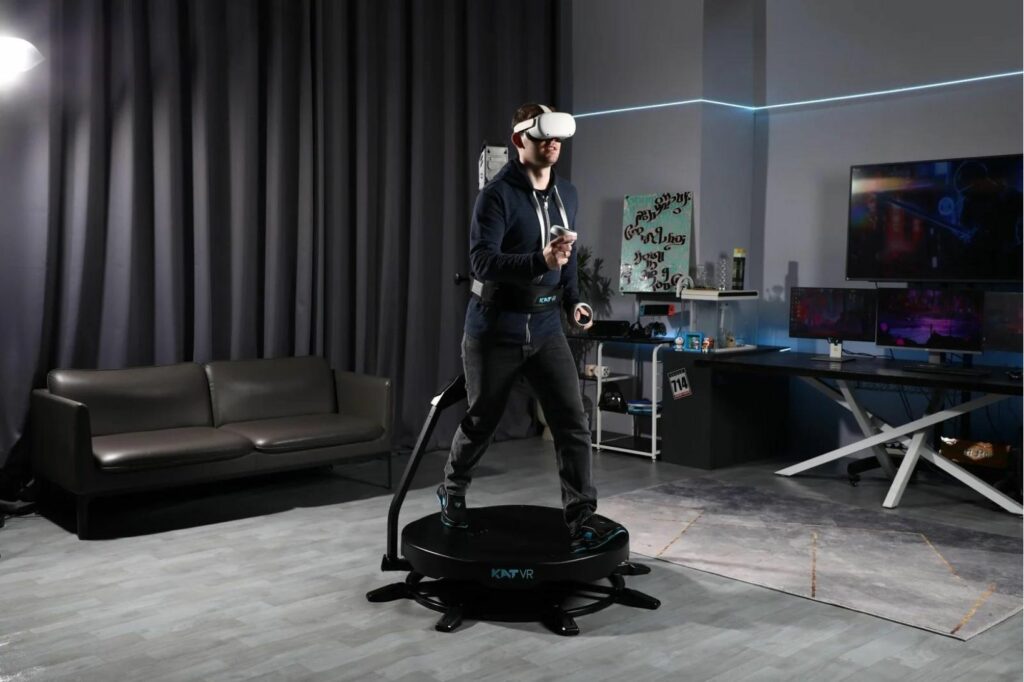
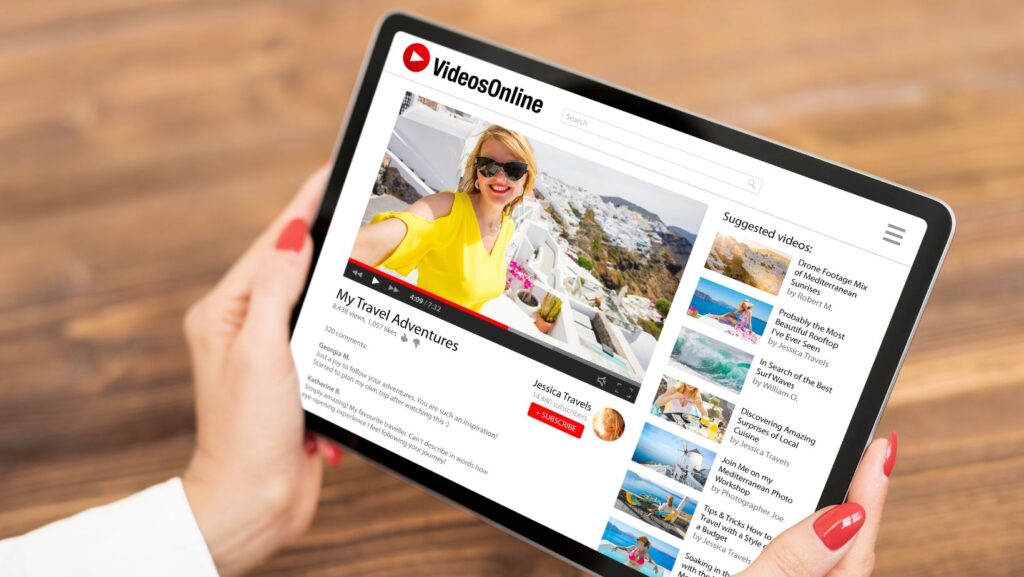
How do gaming influencers capture the attention of Gen Z? Why do millions of young viewers flock to YouTube channels to watch someone play video games? In the age of digital entertainment, these questions are crucial for brands and content creators looking to connect with a generation that values authenticity, creativity, and interactivity. Gaming influencers on YouTube have become some of the most powerful voices shaping trends, building communities, and influencing purchasing decisions. Understanding how they engage Gen Z audiences can unlock new opportunities in marketing, content creation, and audience growth.
The Rise of Gaming Influencers
Gaming influencers have emerged as a cultural force, with platforms like YouTube providing an accessible stage for creators to showcase their skills, personalities, and content styles. Unlike traditional celebrities, gaming influencers cultivate personal relationships with their audiences. Channels like Ninja’s Fortnite streams or Pokimane’s variety gaming videos highlight how these creators not only play games but also entertain, educate, and connect with viewers in real-time.
Gen Z, those born roughly between 1997 and 2012, are digital natives. They grew up with YouTube as a primary source of entertainment, education, and social interaction. This familiarity makes them highly receptive to gaming influencers who reflect their interests and values. The combination of gameplay, commentary, humor, and interactive elements creates a multi-layered experience that resonates strongly with this audience.
Authenticity Drives Engagement
For Gen Z, authenticity is non-negotiable. Unlike older audiences who may respond to polished marketing campaigns, Gen Z values transparency and relatability. Gaming influencers excel in this regard because their content often feels unfiltered and genuine. Whether reacting to a new game release or sharing personal stories during livestreams, influencers create a sense of intimacy that builds trust.
This authenticity translates into engagement. Comments, likes, shares, and community participation are not just metrics but indicators of genuine connection. Viewers are more likely to try products, join fan communities, or follow recommendations from influencers they perceive as trustworthy. Brands that collaborate with gaming influencers can leverage this dynamic to reach audiences in ways traditional advertising cannot.
Community and Interactivity
One of the defining features of successful gaming influencers is their ability to build and nurture communities. Platforms like YouTube enable creators to interact directly with fans through live chats, polls, and comment sections. This interactive approach appeals to Gen Z’s desire for connection and participation. Unlike passive media consumption, watching gaming content becomes an experience where viewers can contribute, ask questions, or even influence the content in real-time.

Moreover, gaming influencers often create content that encourages social interaction beyond the screen. Multiplayer games, challenges, and fan competitions invite audiences to engage with one another, forming a shared culture around the influencer’s channel. This community aspect enhances loyalty and retention, keeping viewers coming back not just for the content but for the relationships and sense of belonging it provides.
Diverse Content Formats
Gaming influencers on YouTube employ a wide range of content formats to maintain engagement. Let’s break down a few of the most effective:
- Let’s Play Videos: These videos feature influencers playing games while providing commentary. They allow viewers to experience the game vicariously while enjoying the influencer’s personality and insights.
- Livestreams: Live content is crucial for real-time engagement. Audiences can interact directly with influencers, creating a dynamic and participatory viewing experience.
- Tutorials and Guides: How-to videos or walkthroughs cater to viewers looking to improve their skills. These videos position influencers as knowledgeable authorities in their niche.
- Reviews and Reactions: Gen Z values informed opinions. Influencers who review games or react to updates provide entertainment while guiding purchasing or gaming decisions.
- Collaborations: Crossovers with other influencers or brands amplify reach and attract new audience segments, keeping content fresh and relevant.
By combining multiple formats, influencers can maintain attention spans that are notoriously short among Gen Z viewers, delivering a diverse and engaging content ecosystem.
The Role of Humor and Personality
Personality is as important as gameplay for engaging Gen Z. Humor, charm, and relatability are key traits that set successful gaming influencers apart. Gen Z audiences often prefer influencers who are approachable and unpolished rather than overly scripted or commercialized. This preference has given rise to creators who blend gaming with comedy, memes, and cultural commentary, creating a unique style that resonates with younger viewers.
A memorable personality can also drive virality. Clips of funny or unexpected moments can be shared across social media platforms, attracting new viewers and expanding an influencer’s reach. For brands, aligning with an influencer whose personality aligns with their values ensures more authentic and effective engagement.
Influencer Marketing and Brand Integration
The influence of gaming creators extends beyond entertainment. Brands have recognized that collaborating with YouTube influencers can be a highly effective marketing strategy. Product placements, sponsored content, and brand collaborations allow companies to reach Gen Z audiences in a context that feels organic. In many cases, working with a YouTube influencer agency helps brands identify the right creators, streamline campaigns, and ensure that collaborations feel authentic to both the influencer and their audience.
However, integration must be subtle to avoid backlash. Gen Z viewers are highly attuned to marketing tactics and can detect inauthentic promotion. Influencers who seamlessly incorporate products into gameplay or commentary maintain credibility while driving engagement. For instance, a gaming influencer showcasing a new headset while genuinely reviewing it during a livestream can generate far more trust and impact than a traditional advertisement.
Measuring Impact and Engagement
Metrics are crucial for understanding the effectiveness of influencer campaigns. For YouTube gaming influencers, engagement metrics include watch time, likes, shares, comments, and subscriber growth. Beyond numbers, sentiment analysis and community feedback provide insights into audience perception and brand resonance.
Brands working with influencers must recognize that Gen Z engagement is multi-faceted. It is not enough to achieve high view counts; the depth of interaction and emotional connection with the audience defines true impact.
Conclusion
Gaming influencers on YouTube have become cultural touchstones for Gen Z, shaping trends, influencing purchases, and fostering vibrant communities. Their ability to blend authenticity, interactivity, humor, and personality creates a compelling entertainment experience that resonates deeply with younger audiences.
For brands, understanding the nuances of influencer engagement on YouTube is essential. Collaborating with gaming creators offers a pathway to reach Gen Z in a way that is genuine, participatory, and impactful. As digital entertainment continues to evolve, gaming influencers will remain at the forefront, bridging the gap between content, culture, and community.
By recognizing the power of authenticity, diverse content formats, and community-building, businesses and creators alike can engage Gen Z audiences effectively, making YouTube gaming influencers not just entertainers, but key partners in the digital landscape.